Signs Your Basement or Foundation Needs Waterproofing
Noticing signs your basement or foundation needs waterproofing can help local contractors prevent water damage and maintain structural integrity.
Many property owners in the area notice early signs that their basement or foundation may need waterproofing, especially after heavy rains or seasonal changes. Recognizing these indicators can help prevent more serious issues down the line, such as structural damage or mold growth. If you’ve observed damp spots, musty odors, or cracks in your foundation, you’re in the right place to learn more about what these signs mean and how experienced local service providers can assist in addressing them effectively.
Understanding the practical reasons to explore waterproofing solutions can save homeowners time, money, and stress. Whether it’s protecting your property’s value or maintaining a healthy living environment, identifying the need for waterproofing early on is a smart step. Local contractors who specialize in basement and foundation waterproofing can evaluate your specific situation and recommend appropriate measures, helping to keep your home dry and secure for years to come. Keep reading to discover the common signs that indicate your basement or foundation might need attention.
- Basement waterproofing - is needed when signs of water seepage or dampness appear on basement walls or floors, and local contractors assess the source to implement effective waterproofing solutions.
- Foundation waterproofing - becomes necessary when cracks or moisture issues are detected in the foundation, with service providers evaluating drainage and structural integrity to prevent further damage.
- Basement waterproofing - is recommended if mold or musty odors develop, prompting local pros to identify leaks and apply waterproofing measures to improve indoor air quality.
- Foundation waterproofing - should be considered when uneven or cracked basement walls are observed, as local contractors can determine if waterproofing or repair is required to stabilize the structure.
- Basement waterproofing - is essential if water pooling or visible damp spots are found after heavy rain, with service providers inspecting the area to recommend appropriate waterproofing strategies.
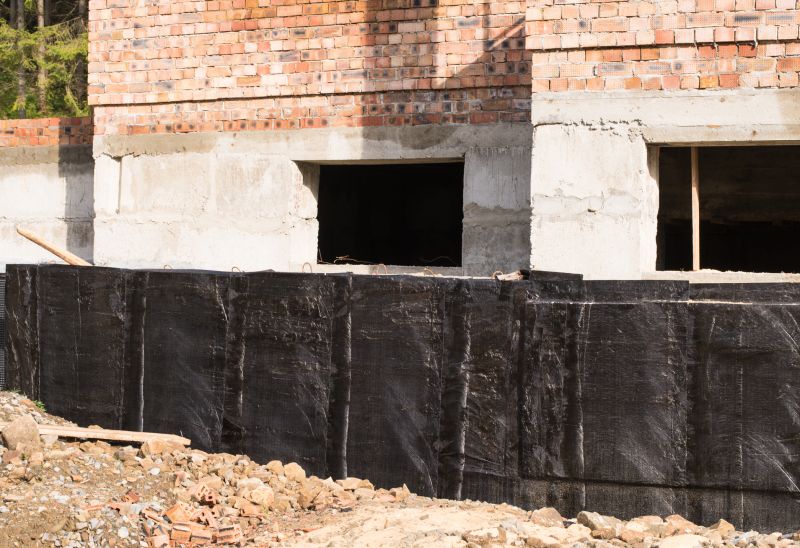
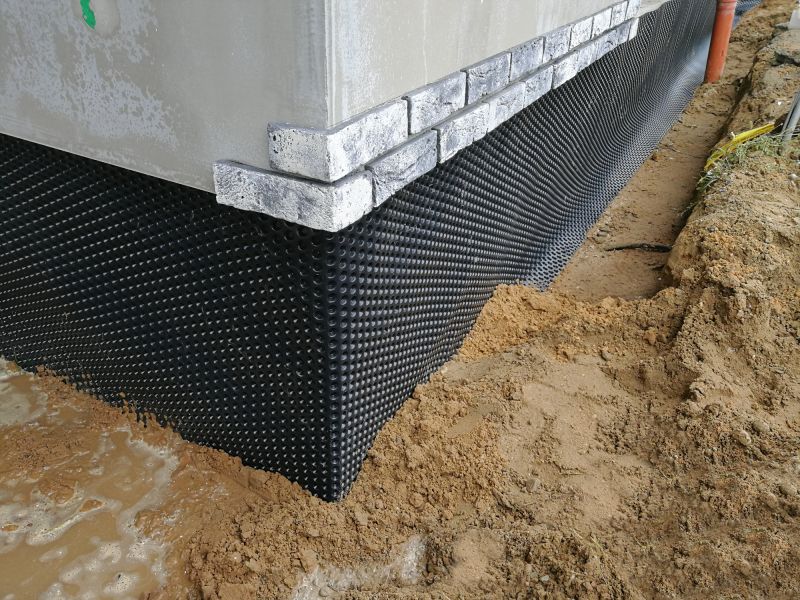
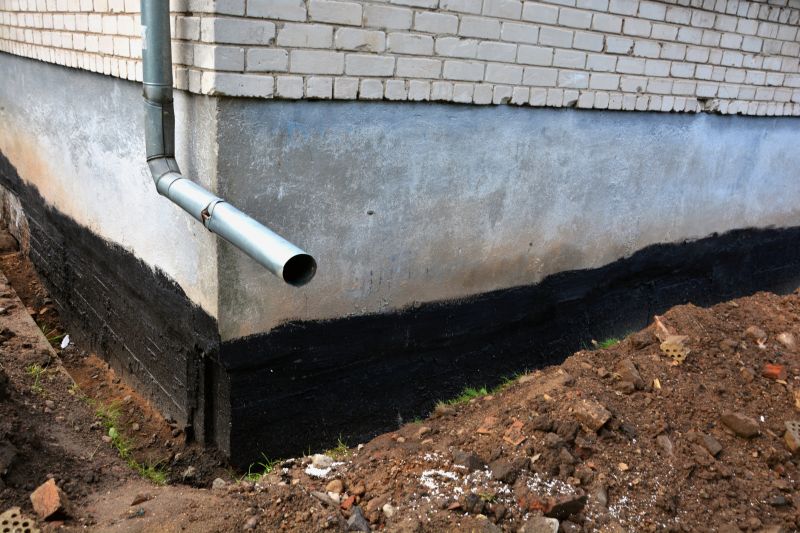
When homeowners search for signs their basement or foundation needs waterproofing, they are usually trying to identify early indicators of water intrusion or structural issues that could lead to costly repairs if left unaddressed. Common concerns include visible water stains on walls or floors, persistent dampness, or a musty odor that suggests moisture buildup. These signs often prompt property owners to consider waterproofing solutions as part of routine home maintenance or renovation plans. Recognizing these warning signals early can help prevent more serious problems like mold growth, wood rot, or foundation deterioration, making it an important step for those looking to protect their investment.
Waterproofing concerns are closely linked to a variety of problems that can affect residential properties. For instance, homes in areas with high rainfall or poor drainage may experience water pooling around the foundation, leading to seepage or cracks over time. Additionally, properties built on expansive soil or with inadequate drainage systems are more prone to foundation shifting or cracking, which can compromise structural integrity. Homeowners planning to sell or upgrade their property might also explore waterproofing as a way to improve durability and value. Local contractors specializing in basement and foundation waterproofing can assess these issues and recommend tailored solutions to keep the structure dry and stable.
The types of properties that typically come up in discussions about signs needing waterproofing include single-family homes, townhouses, and multi-unit residential buildings. Older homes are often more susceptible due to aging foundation materials or outdated drainage systems, while newer constructions may still face waterproofing challenges if built on problematic soil or with insufficient waterproof barriers. Commercial properties and basements used for storage or living space can also encounter similar issues, especially if they are below ground level or poorly ventilated. For property owners facing these concerns, connecting with experienced service providers can help evaluate the specific needs of their property and implement effective waterproofing measures.
Understanding how local service providers fit into the process is essential for homeowners noticing signs that their basement or foundation may need waterproofing. These professionals can perform thorough inspections to identify sources of water intrusion, such as cracks, leaks, or drainage problems, and then recommend appropriate solutions. Whether it involves sealing cracks, installing sump pumps, or applying waterproof membranes, local contractors bring practical expertise to address the root causes of moisture issues. Homeowners can benefit from comparing different service providers to find those with the experience and reputation needed to handle their specific project. Proper waterproofing not only helps preserve the home’s structure but also creates a healthier, more comfortable living environment.
Interior Drainage System Installation - local contractors who install interior drainage systems often have skills similar to waterproofing services, helping to manage basement moisture issues effectively.
Foundation Crack Repair - repairing foundation cracks requires planning and tools comparable to waterproofing, as both address structural concerns and water intrusion prevention.
Basement Wall Sealing and Coating - sealing basement walls to prevent water seepage relates closely to waterproofing, with shared techniques and materials used by service providers.
Exterior Foundation Waterproofing - applying waterproofing membranes on the exterior foundation surface involves planning and skills similar to interior waterproofing services.
Drainage System Design and Installation - designing and installing proper drainage around a property complements waterproofing efforts by directing water away from the foundation.
Mold and Mildew Remediation - addressing mold caused by moisture issues in basements shares tools and planning approaches with waterproofing services to prevent future problems.
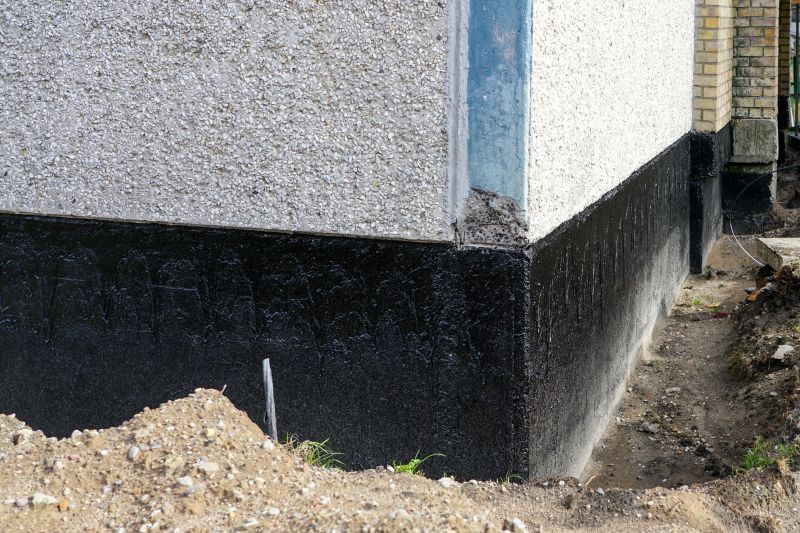
When evaluating local contractors for basement or foundation waterproofing, it is important to consider their experience with similar projects. Homeowners should inquire about how many waterproofing jobs they have completed that resemble the specific signs indicating a potential issue, such as persistent dampness, water intrusion, or cracking walls. Contractors with a history of handling comparable situations are more likely to understand the unique challenges of each property and recommend effective solutions. This familiarity can help ensure that the chosen service provider has the practical knowledge needed to address the root causes of basement or foundation moisture problems.
Clear written expectations are essential when comparing service providers. Homeowners should seek detailed proposals that outline the scope of work, materials to be used, and the steps involved in the waterproofing process. Having this information documented helps prevent misunderstandings and provides a basis for comparing different contractors’ approaches. It also allows homeowners to assess whether the proposed solutions align with their concerns about signs their basement or foundation needs waterproofing, such as addressing specific leak points or structural issues. Transparent communication about what to expect can contribute to a smoother project and a more satisfying outcome.
Reputable references and effective communication are key factors to consider when choosing local contractors. Homeowners can ask for references from previous clients who had similar waterproofing needs and inquire about their experiences. Reliable service providers should be willing to share contact information for past projects, allowing potential customers to gain insights into the quality of work and professionalism. Good communication throughout the process-prompt responses to questions, clarity about procedures, and openness to discussing concerns-helps ensure that homeowners feel informed and confident in their decision. Selecting a contractor known for dependable communication and positive references can foster a more straightforward and trustworthy project experience.
Property owners often search for signs your basement or foundation needs waterproofing when they are planning practical projects around their homes and businesses. Local pros provide Basement or Foundation Waterproofing services for everyday jobs and straightforward project options.
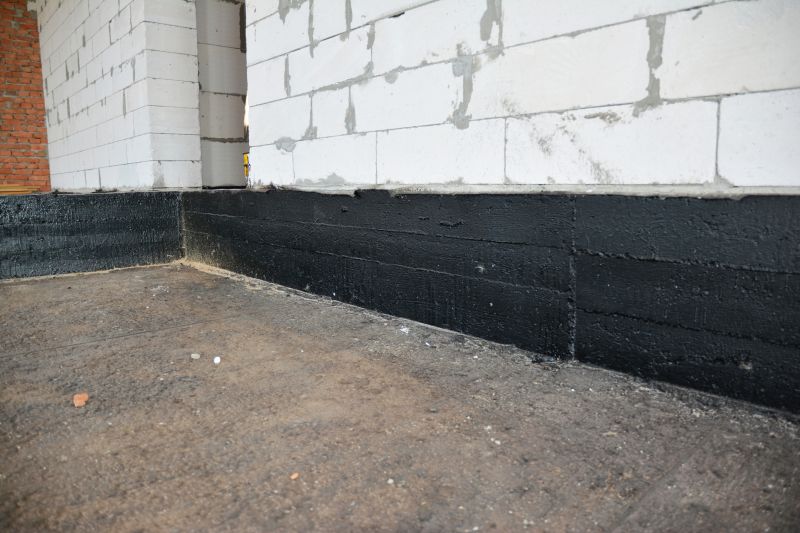
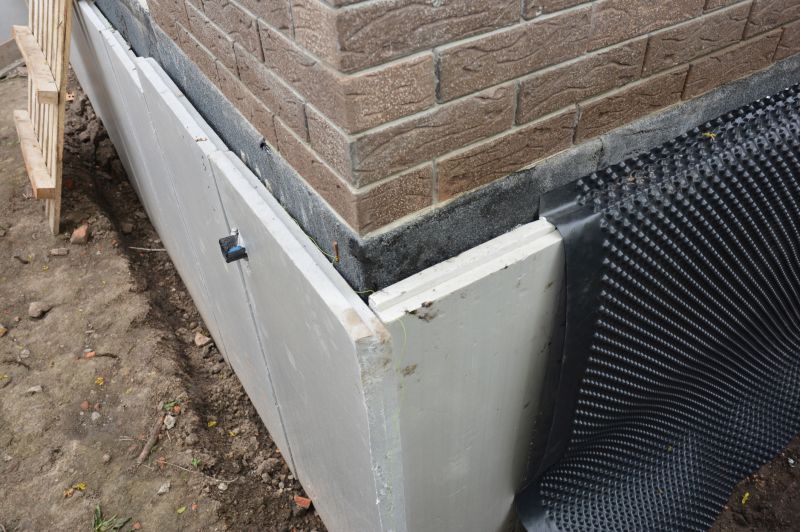
Many property owners notice signs that their basement or foundation may need waterproofing during routine home inspections or after heavy rainfalls. Common indicators include persistent dampness or a musty smell in the basement, which can suggest water seepage through cracks or porous walls. Additionally, visible water stains, efflorescence (white mineral deposits), or peeling paint on basement walls often prompt homeowners to look into professional waterproofing services to prevent further damage and maintain a healthy living space.
Other frequent signs include cracks in the foundation or basement walls that appear to be widening over time, as well as uneven or sagging floors that could indicate underlying moisture issues. In some cases, small puddles or pooling water around the foundation after storms may be a sign that water is not draining properly away from the property. When these issues are noticed, property owners often seek the expertise of local contractors who specialize in waterproofing solutions to address the root causes and protect the home’s structural integrity.
What are common signs that a basement or foundation may need waterproofing? Visible water stains, mold growth, or a musty smell are common indicators that a basement or foundation might require waterproofing services from local contractors.
How can I tell if my basement has excess moisture or water intrusion? Signs such as damp walls, pooling water after rain, or peeling paint can suggest water intrusion, prompting the need for waterproofing from nearby service providers.
What physical symptoms on my foundation could indicate waterproofing issues? Cracks, efflorescence (white mineral deposits), or bulging foundation walls may signal that waterproofing is necessary and should be evaluated by local contractors.
Are there any signs related to the exterior of my home that suggest waterproofing is needed? Water pooling near the foundation, damaged or missing gutters, and poor drainage around the property are exterior signs that waterproofing services might be required.
When should I consider hiring local contractors for basement or foundation waterproofing? If you notice persistent dampness, water stains, or structural issues related to moisture, it’s advisable to consult local service providers to assess and address waterproofing needs.
Cracks in basement walls or floors - Noticing visible cracks can indicate water pressure issues; local contractors can assess and recommend waterproofing solutions to prevent further damage.
Signs of dampness or mold - Persistent moisture or mold growth suggests moisture intrusion; experienced service providers can identify sources and install proper waterproofing barriers.
Water stains or efflorescence - White or discolored deposits on foundation surfaces point to water seepage; specialists can help implement effective waterproofing measures to keep basements dry.
Musty odors or peeling paint - Unpleasant smells and peeling finishes often result from excess moisture; local contractors can evaluate and apply waterproofing techniques to improve basement conditions.
If you are thinking about signs your basement or foundation needs waterproofing for a property, this guide is meant to help you understand this topic, the typical project types, and how different options might fit your plans.
When you are ready, you can use the quote form on this page to share a few details about your project. From there, local pros can review the basics and follow up with options that match what you have in mind.