

Cost of Vapor Barrier Installation in Lebanon, OH
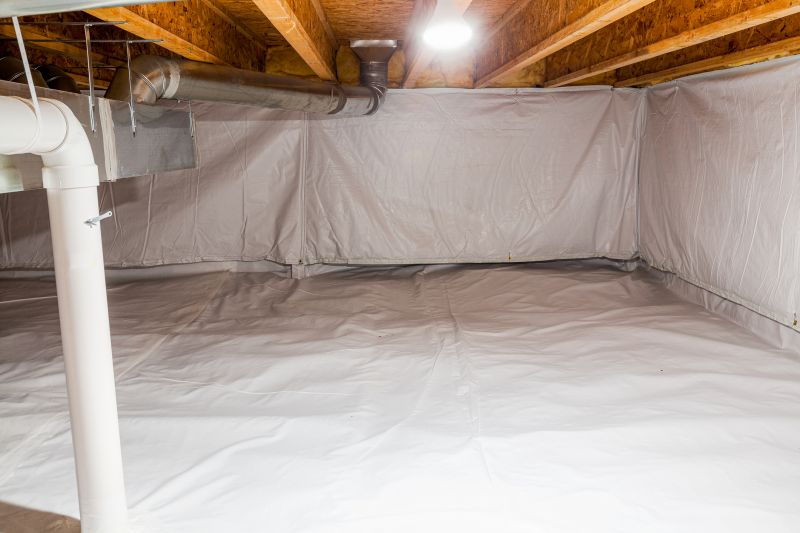
Vapor barrier installation in Lebanon, OH, typically involves the placement of a moisture-resistant material beneath flooring or within wall assemblies to prevent water vapor transmission. The final cost of a vapor barrier project can vary based on factors such as the size of the area, the type of materials selected, the complexity of the site, and the scope of work involved. It is important to consider these elements when estimating overall expenses for a vapor barrier installation.
While estimates can provide a general idea of costs, actual pricing may differ depending on specific site conditions and material choices. Consumers are encouraged to compare different options and obtain detailed quotes that account for project scope, materials, labor, and site-specific considerations to make informed decisions about vapor barrier installation services in Lebanon, OH.
Typical Cost Range

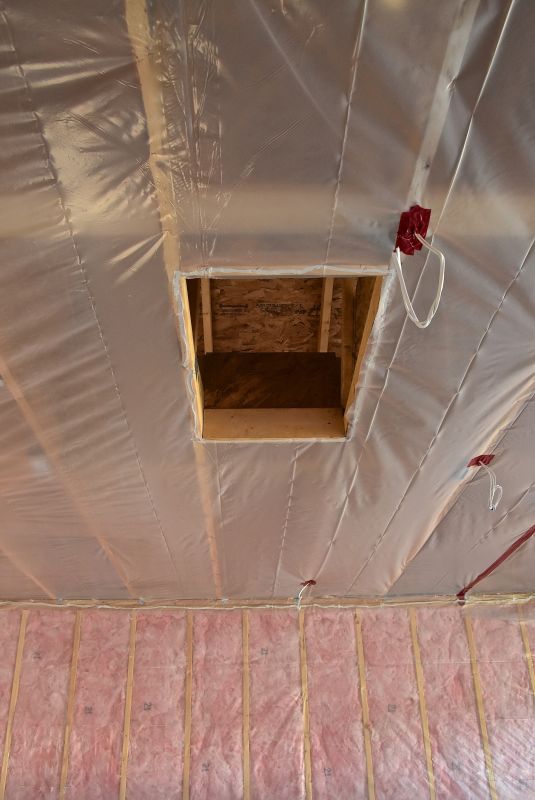
Material quality, surface conditions, and labor influence costs.
Vapor barrier installation is an important step in managing moisture and preventing mold in basements, crawl spaces, and other areas. In Lebanon, OH, the scope and materials used can vary based on the specific needs of the space and local building practices. Understanding typical project components can help homeowners compare options and plan accordingly.
- Materials: Common vapor barriers include polyethylene sheets, usually 6 to 10 mil thick, suitable for residential applications in Lebanon, OH.
- Size and Scope: Installation may cover entire crawl spaces or basement floors, with sizes ranging from small to large, depending on the area requiring moisture control.
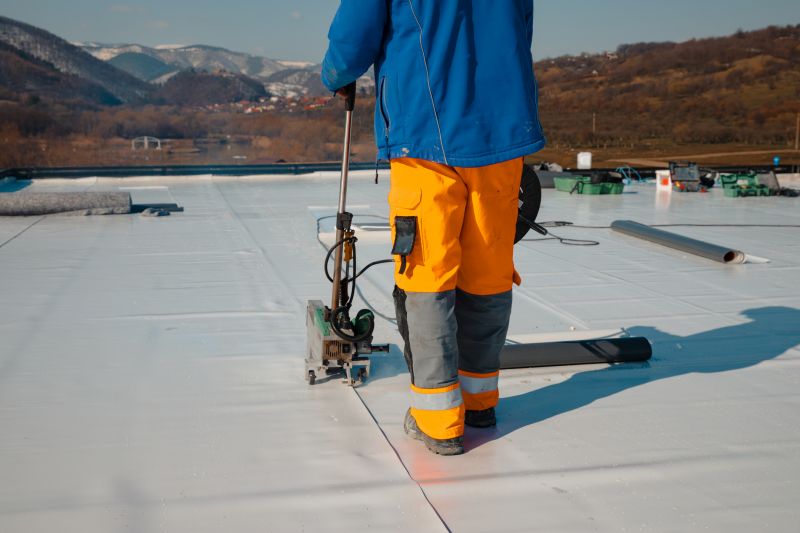
- Labor Complexity: The process involves laying or sealing the vapor barrier across surfaces, often requiring basic hand tools and some surface preparation.
- Permitting: Local building codes in Lebanon, OH, may require permits for foundation modifications or moisture control systems, including vapor barriers.
- Extras: Additional features such as sealing seams, installing drainage mats, or adding insulation can enhance moisture management and may influence overall project scope.